
RRRA Lecture & Seminar Series
2021 LECTURES

2021 Lectures & Seminars
Booking (which is essential) for some talks will be organised through Eventbrite, otherwise through a simple form – this will be indicated next to each talk. All public talks and seminars will be uploaded to our new YouTube channel.
2021 Lectures

Ivan Donald Margary: An Officer, Gentleman, Scholar & Philanthropist
Ivan D Margary (1896 – 1976) is generally known theses days for his comprehensive gazetteer, Roman Roads in Britain, yet there was so much more to the life and works of this intensely private man than a fascination with Roman roads. This first event is free of charge and open to all, although booking via Eventbrite is essential.
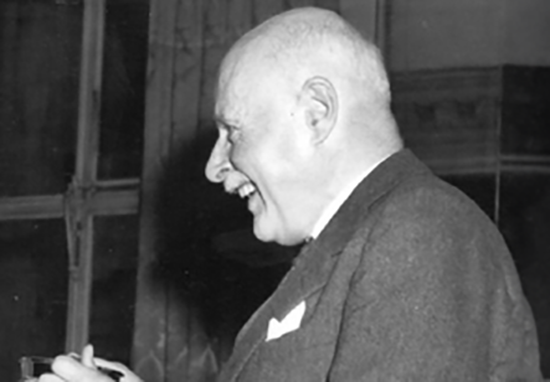
Ivan Margary receiving a trophy for his prize bull at an agricultural show in 1957

Thursday 24 June 2021
David Ratledge
Changing the Map; How LiDAR has transformed our understanding of the Roman Road network in NW England
Until recently, the network of Roman roads serving the dense concentration of Roman forts in North-
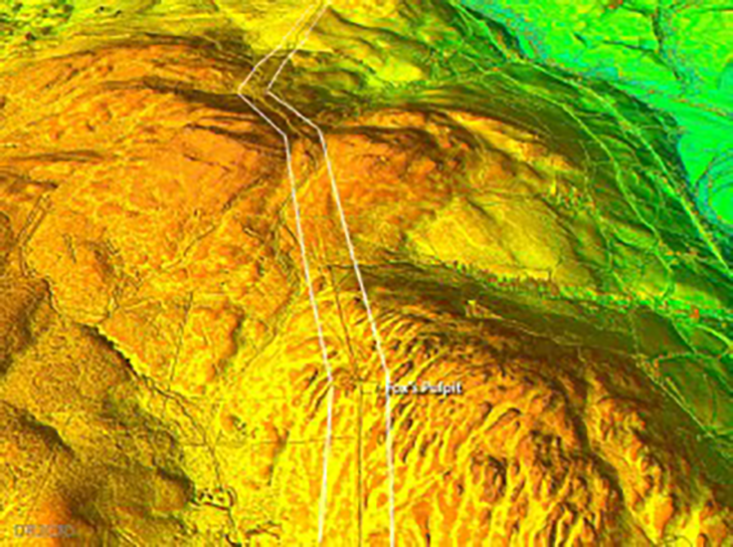
The recently identified alternative route to RR7, on the western side of the Lune Gorge

Thursday 29 July 2021
Rob Entwistle
Watling Street, Stane Street, and the origins of London
Long-
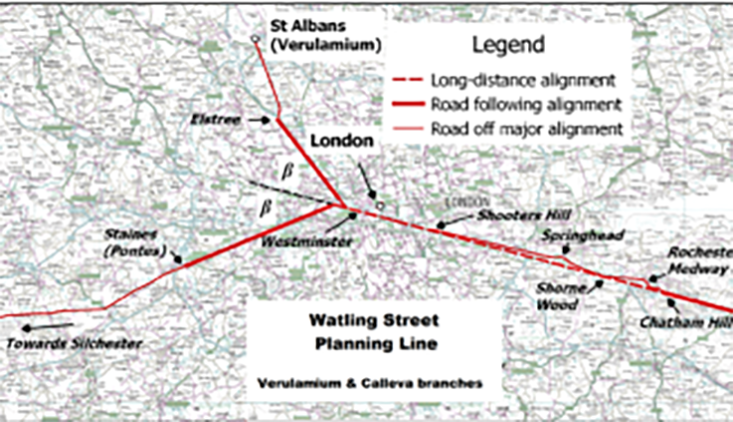
Watling Street Planning Line, and associated planning alignments from London

Thursday 19 August 2021
Dave Armstrong
On-
The book collates and summarises the previous excavations and findings of this undoubtable Roman road, before moving on to analyse the road’s location along a constrained corridor between Hadrian’s Wall and the earthwork to its rear, the Vallum. The analysis reveals a clear pattern as to how the road was laid out relative to the other linear structures. The structure of the road, plus the many and impressive road engineering features such as terraces, cuttings, zig zags and inclines are considered, as is a likely construction date, leading to an inference as to the traffic the road could support and therefore its likely role supporting the frontier. The road is very visible and accessible, particularly in the centre crags section and is probably the most impressive example of Roman road engineering in Britain, one which is well worth taking the effort to visit and walk along, for which a walking guide is included. Publishing is through Mike Bishop’s Armatura Press.
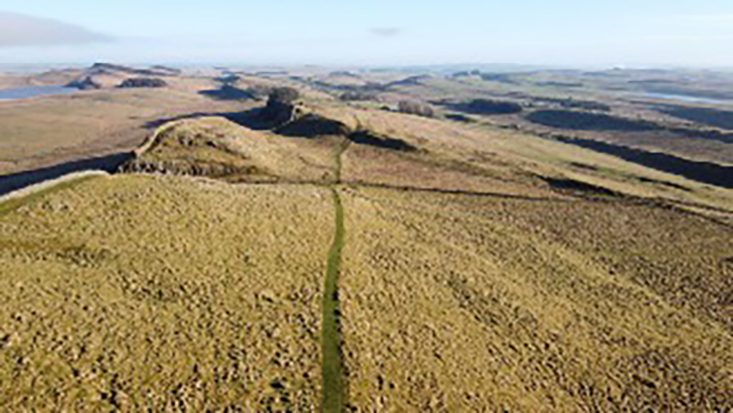
Aerial photo looking east towards along the Military Way towards Housesteads Roman fort

Thursday 30 September 2021
Mike Haken
How to identify a Roman Road
You might think that this was a simple question to answer, however you would be very wrong. In this lecture, the RRRA chairman will look at the wide variations in how Roman roads were laid out and constructed, and how this impacts on identifying their remains on the ground today. He will also show how to avoid being misled when using technologies such as lidar, and how some of the traditional assumptions about so called ‘fossilised’ roads have led to serious misinterpretations in the past. The lecture concludes with a brief look at a systematic method of rating the probability of any given feature actually being a Roman road, as proposed by Mike in a recent paper published in RRRA’s journal, Itinera.
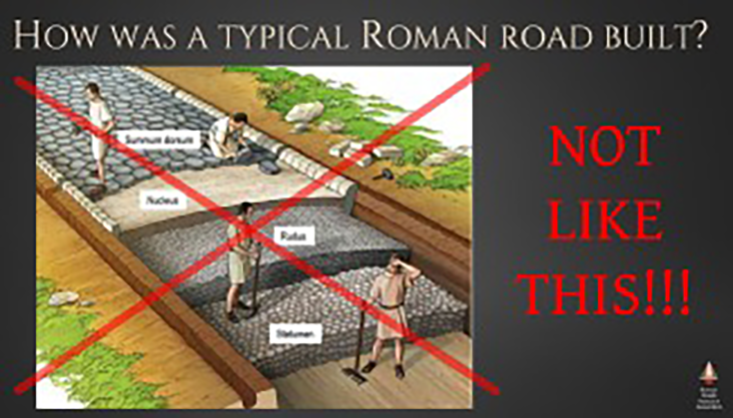
Contrary to what is frequently stated definitively online, most Roman roads were not built like this!

Thursday 28 October 2021
Geoff Lunn
Roads around Colchester
Colchester is well known as the oldest recorded “town” in Great Britain, so it seems reasonable to assume that the Roman road network around the town must also be one of the oldest in the country. But is that really the case, and if so, where is the proof?
The Colchester Archaeological Group was founded over 60 years ago, and Geoff Lunn is currently chair of their Roman Roads Study Group. In recent years the group has been using emerging technologies such as geophysics, Lidar, Google Earth and thermal imagery to further understand this often puzzling network of roads. This seminar presents an overview of the current state of that work, and as is so often the case in archaeology, seemingly more questions than answers.
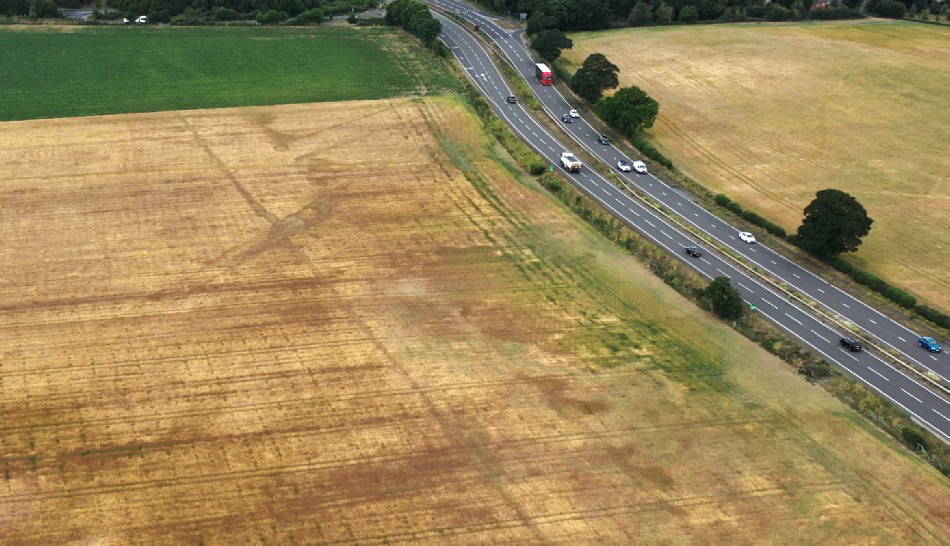
Cropmarks of the Pye Road, the Roman road from Camulodunum (Colchester) to Venta Icenorum (Caistor), and a branch road from it, showing clearly on this aerial photograph, right next to the modern dual carriageway.

Thursday 25 November 2021
Joe Lewis
Modelling Public Roads in Roman Britain
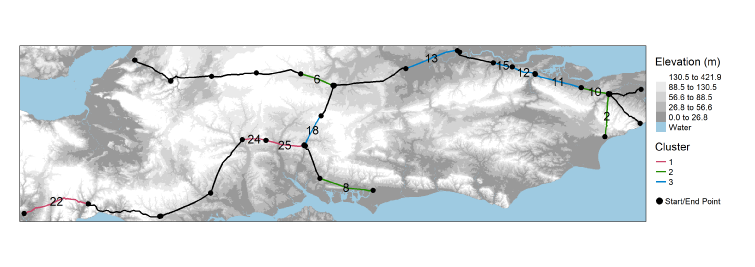
It is undeniable that Roman roads played a central role in the reconfiguration of Britannia. Through their construction, Roman roads increased the speed and frequency of communication; improved administrative control of the province; and facilitated the development of commerce. Despite this, the variability in Roman roads across Roman Britain has often been ignored. This talk will present my PhD research whereby this variability will be explored, offering potential discussions on how individuals would have used the road network; how the road network functioned as an interconnected system; and how the road network facilitated the social and economic development at a local, regional, and provincial scale.

Thursday 16 December 2021
Dr. Birgitta Hoffmann
Roman roads north of the Antonine Wall
“The Roman forts north of the Antonine Wall are linked by a well-