
RRRA Lecture & Seminar Series
2022 – 2023 LECTURES

2022- 2023 Lectures & Seminars
Booking (which is essential) for some talks will be organised through Eventbrite, otherwise through a simple form – this will be indicated next to each talk. All public talks and seminars will be uploaded to our new YouTube channel.
2022 – 2023 Lectures

Thursday 24 November 2022
Dr. Andrew Tibbs
Conquest: The Rivers and Roads of Flavian Scotland
Scotland is one of the few areas of the ancient world which was never completely occupied by the Roman army, and despite numerous attempts, never fully assimilated into the Empire. Arguably, it was during the 1st century that the Imperial Army made the most successful inroads into the lands beyond the province of Britannia, reaching as far as the shores of the Moray Firth in the north. However, the full length and extent of Roman occupation in this period remains debated by scholars.
Based on the findings of his latest research, Dr Andrew Tibbs (Durham University) will explore the role and function of roads and waterways in 1st century Scotland, how they were used by Roman military and what we really know about these today.
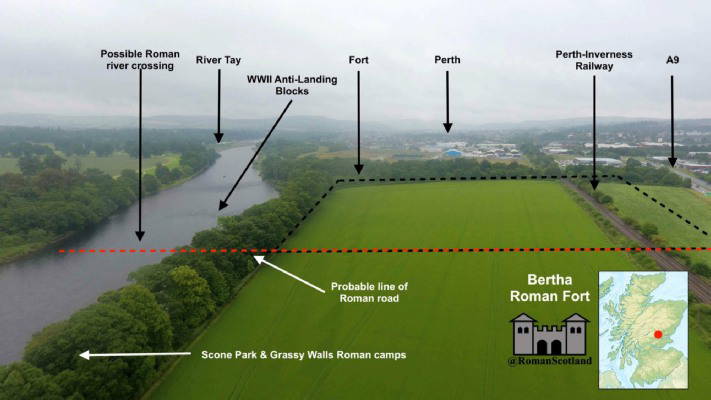
The possible river crossing at Bertha.

Thursday 8 December 2022
Bronwen Riley
Changing the Map; How LiDAR has transformed our understanding of the Roman Road network in NW England
AD 130. Rome is the dazzling heart of a vast empire and Hadrian its most complex and compelling ruler. Faraway Britannia is one of the Romans’ most troublesome provinces: here the sun is seldom seen and “the atmosphere in the country is always gloomy”. What awaits the traveller to Britannia? How will you get there? What do you need to pack? What language will you speak? How does London compare to Rome? Are there any tourist attractions? And what dangers lurk behind Hadrian’s new Wall? Combining Greek and Latin sources and archaeological evidence, Bronwen Riley evokes the journey of the new governor of Britannia and his entourage from the heart of empire to Hadrian’s Wall at its north–
‘An artful combination of history, archaeology and the imagination‘ –
‘A brilliant idea, to describe the journey of Julius Severus as he travelled from Rome to Britain to take up his new post of governor of Britain… Well written, eminently readable… It is a must for all interested in the Roman Empire and Roman Britain‘ –
THIS TALK WAS NOT RECORDED
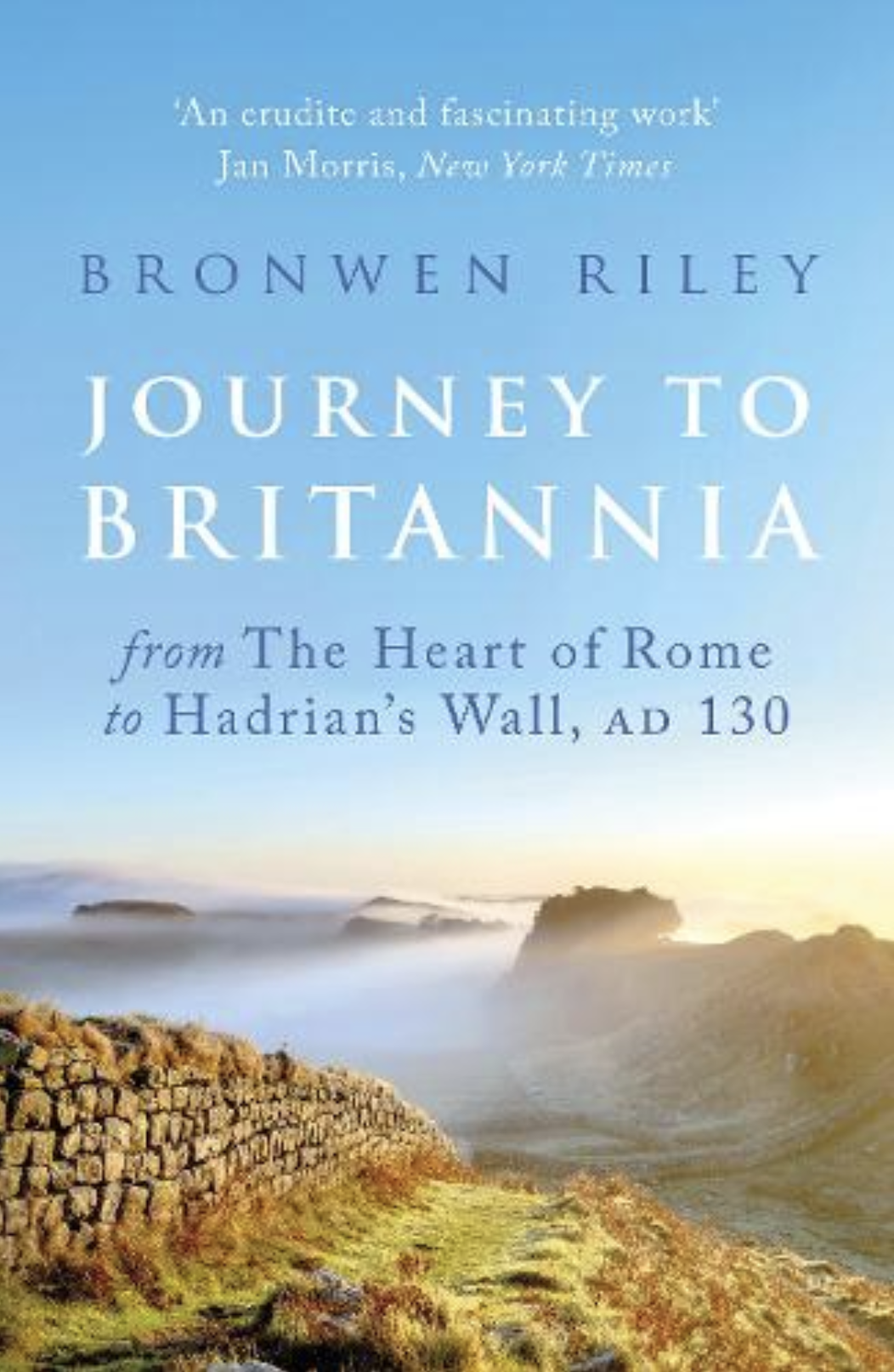
The front cover of Bronwen’s book, Journey to Britannia.

Thursday 5 January 2023
Dr Chris Smart
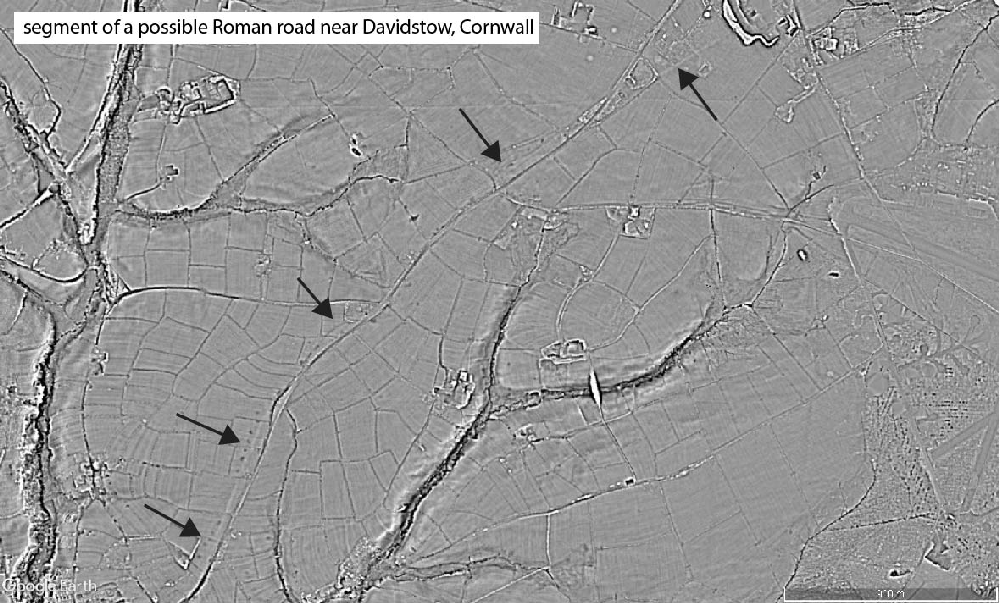
Beyond Isca: new evidence for Roman expansion in South West Britain
This lecture will draw upon latest research undertaken as part of the University of Exeter’s ‘Unlocking Landscapes’ project, which is taking a crowd-


Thursday 19 August 2021
Dr. Ed Peveler & Nigel Rothwell
Reinterpreting Roman Roads in the Chilterns –
In the winter of 2018/19 high resolution LiDAR data was acquired by the Chilterns Conservation Board (CCB) to investigate archaeological features, and particularly the Iron-
We will look at some of the characteristics of ‘known’ Roman Roads within the Chilterns AONB and illustrate how these data have helped in reinterpreting the relative importance of some of them. We will also explore implications of the discovery of a new alignment of Roman Road on the likely route between Verulamium and Silchester, the so-
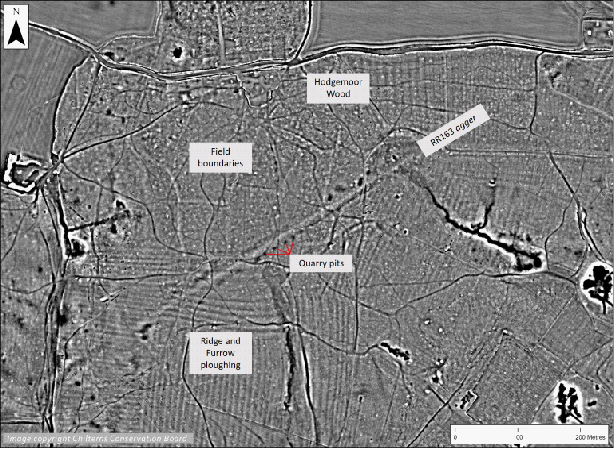
A typical LiDAR Local Relief Model image over an area of ancient woodland, which here shows the best-

Thursday 23 February 2023
Prof. Will Bowden
Boudica, street grids and the changing face of Caistor Roman town
Venta Icenorum (Caistor-
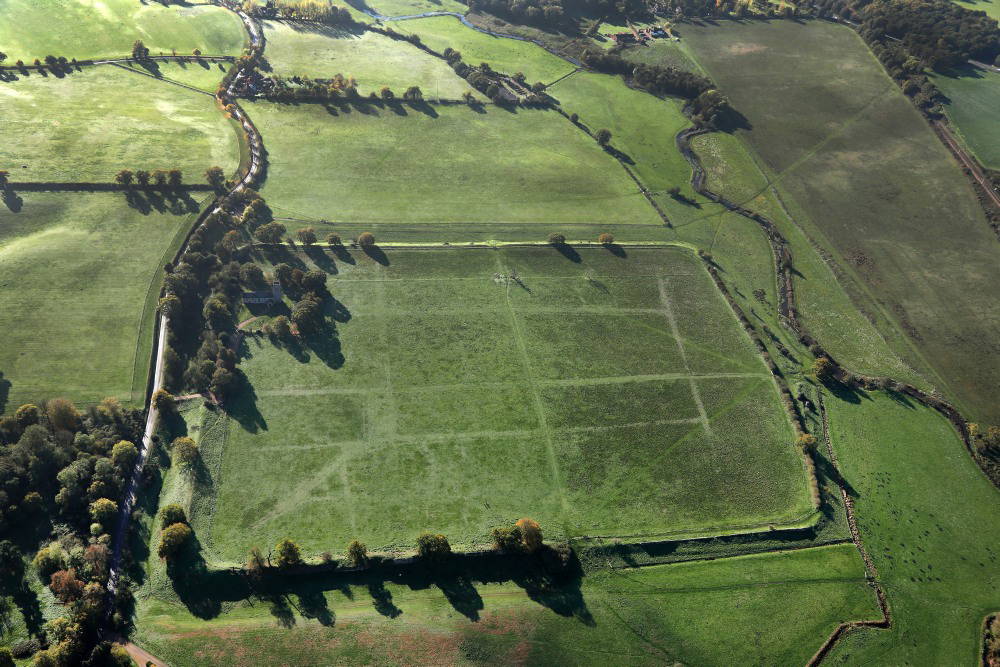
Aerial photograph of Venta Icenorum © Mike Page 2022.
Thursday 23 March 2023
Dr. Andrew Birley
Vindolanda a fort and frontier in transition
Today we see the Roman frontier, especially Hadrian’s Wall, presented as a serene monument fixed in stone. This largely peaceful and tranquil ruin is situated in the beautiful rolling hills of Northumberland. However, such images, while evocative, conceal the grimier ever day realities and opportunities that frontier people faced, either as members of the military community or as those oppressed by them. The fort and settlements at Vindolanda, dating from the earliest occupation of the area and lasting through all the centuries of Roman rule (and beyond) offers a glimpse into the daily struggles and lives of those communities which has yet to be paralleled. The organic soils preserve things which have long rotted away elsewhere, artefacts in wood, leather, textile, and bone.
But most of all, it is the letters, thin postcards from the past which are covered in ink handwriting which are the greatest treasure of all. Each one is a window into the very soul of the person who wrote it, each letter, no matter how mundane, is a first-
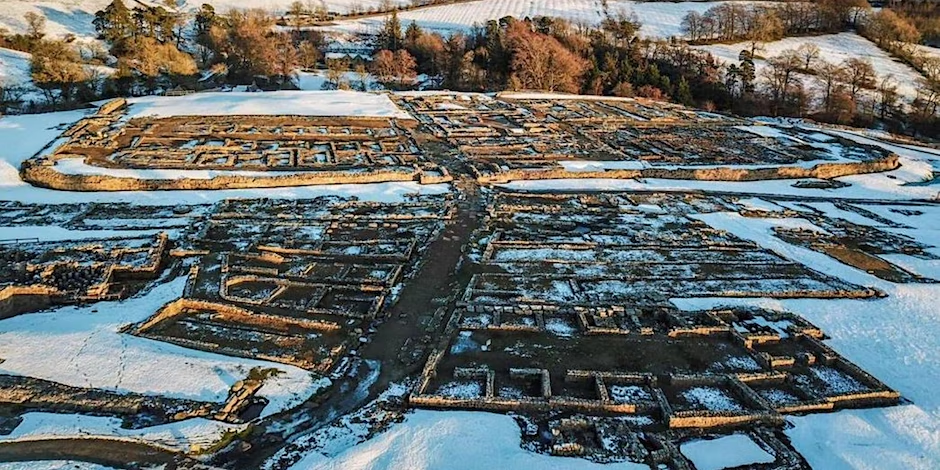
Aerial photograph of Vindolanda.
Thursday 20 April 2023
Dr. Francis Young
Charles Bertram & De Situ Britanniae
The De Situ Britanniae and the eighteen Itineraries contained within it, supposedly compiled by Richard of Cirencester, appear frequently as source material in 18th & 19th century writings on Roman history and Roman roads in particular, and even some 20th century ones, but is generally held to be a hoax perpetrated by Charles Bertram, in the 18th century. Francis will talk about the impact of the document in the context of scholarship on Roman routes and the Antonine Itinerary from John Leland onwards.